
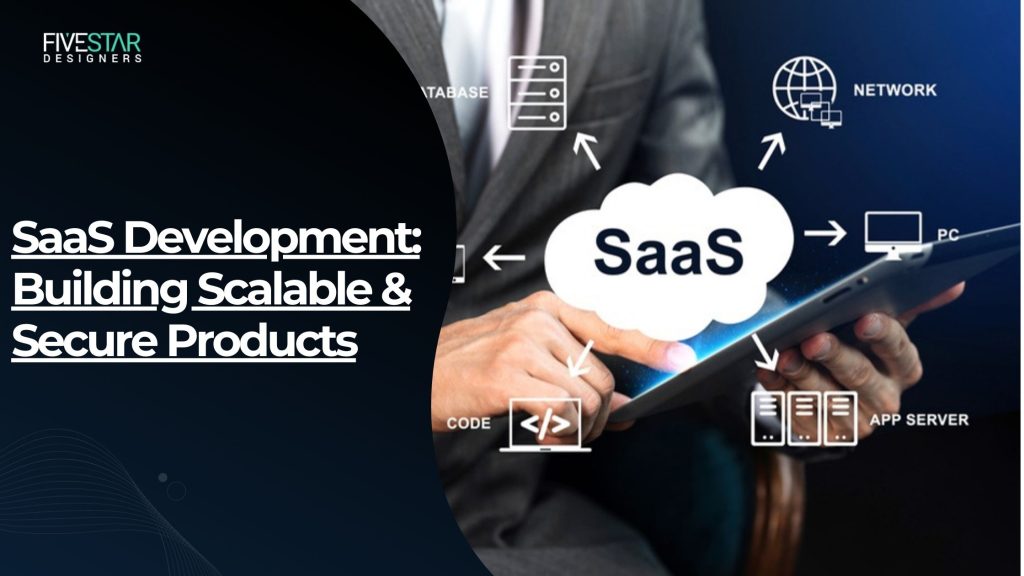
Software today doesn’t sit on one computer. It lives online. People log in from phones, laptops, and offices across the world. That shift changed how products get built. Teams now work on developing SaaS applications that hook up with users and protect their data. It is more about consistent growth, quickness, and trust than it is about ostentatious features. If the base is weak, everything cracks later. So teams start smart and keep things simple.
Understanding SaaS Application Development Today
SaaS products run in a browser. Users don’t install anything. Updates happen in the background. That’s the heart of modern SaaS application development.
Traditional software shipped once. SaaS ships every week. Sometimes every day. That pace helps teams fix bugs fast. But it also brings pressure.
Common challenges show up as user numbers grow. Apps slow down. Costs rise. Security gaps appear. Planning early helps avoid these issues.
Business Benefits of Well-Architected SaaS Products
- Teams launch faster and test ideas sooner.
- Costs stay lower because systems scale only when needed.
- Features roll out in small, safe updates.
Designing a Scalable SaaS Architecture from Day One
Growth feels great until the app breaks. That’s why teams plan a scalable SaaS architecture early. Fixing the scale later costs more time and money. Early products often rely on shortcuts. One server. One database. That works at first. But traffic spikes can crash everything.
Core Principles of Scalable SaaS Architecture
- Break systems into small services.
- Scale wide, not just tall.
- Track performance before users complain.
A clean, accessible SaaS architecture lets businesses add users without stress.
Role of APIs and Microservices in SaaS Growth
- Each service scales on its own.
- Global users get faster access.
- New tools connect without rewrites.
Cloud-Based SaaS Solutions as the Foundation of Growth
Most SaaS products live in the cloud. There’s a reason for that. Cloud-based SaaS solutions adjust fast when demand changes.
Startups use them to save money. Large firms use them to stay flexible.
Infrastructure Choices and Deployment Models
- Public clouds for speed.
- Private clouds for control.
- Containers to move apps easily.
Cost Optimization and Resource Management
- Pay only for what you use.
- Track usage often.
- Fix waste early.
Strong cloud-based SaaS solutions help teams grow without overspending.
Multi-Tenant SaaS Architecture Explained
In many SaaS apps, users share the same system. That’s multi-tenant SaaS architecture. Each customer feels separate, but the core stays shared. Single-tenant setups give control but cost more. Multi-tenant SaaS architecture keeps updates simple and costs lower.
Benefits of Multi-Tenant SaaS Architecture
- Better use of resources.
- Faster updates for everyone.
- One system to manage.
Challenges and Best Practices for Multi-Tenancy
- Keep data clearly separated.
- Balance the load between users.
- Test for peak usage.
Secure SaaS Development in a High-Risk Digital World
Attacks happen every day. That’s why secure SaaS development matters. Security isn’t an add-on. It’s part of the build. Hackers look for weak logins and open APIs. Teams that ignore this pay later.
Secure SaaS Development Across the Lifecycle
- Plan security from day one.
- Review code often.
- Test before every release.
Secure SaaS development reduces risk and builds user trust.
Compliance and Regulatory Considerations
- Follow data privacy rules.
- Store data responsibly.
- Document access clearly.
Implementing SaaS Security Best Practices
Good security follows clear rules. SaaS security best practices help teams stay consistent.
- Strong user authentication.
- Encrypted data storage.
- Limited access to services.
Monitoring, Incident Response, and Risk Management
- Watch systems in real time.
- Keep clear logs.
- Fix issues fast.
Using SaaS security best practices lowers long-term risk.
Performance, Reliability, and User Experience at Scale
Slow apps lose users. Reliable ones keep them. Teams test often to spot issues early.
- Monitor load and response times.
- Plan for traffic spikes.
- Build backups and failovers.
DevOps, Automation, and Continuous Delivery in SaaS
Automation saves time. CI/CD pipelines help teams ship safely. Infrastructure as code keeps systems consistent. These tools reduce errors and speed up work.
Wrap Up
SaaS products succeed when they grow smoothly and keep user data safe. A clear plan for scale, security, and performance makes that possible. When teams build with care from the start, SaaS products stay reliable, trusted, and ready for what comes next.
Ready to build or improve a SaaS product? 5StarDesigners works on SaaS application development with a focus on scale and safety. The team designs cloud systems, plans growth, and applies security from the start.
Get in touch with 5StarDesigners and build a SaaS product users can trust.
FAQs
How does SaaS application development change with a scalable SaaS architecture?
It helps teams add users without slowing systems or rewriting code.
Why do multi-tenant SaaS architectures complement cloud-based SaaS solutions?
They maintain the privacy and security of user data while sharing resources.
For safe SaaS development, which SaaS security best practices are most important?
The most important things are strong logins, encryption, and frequent testing.